
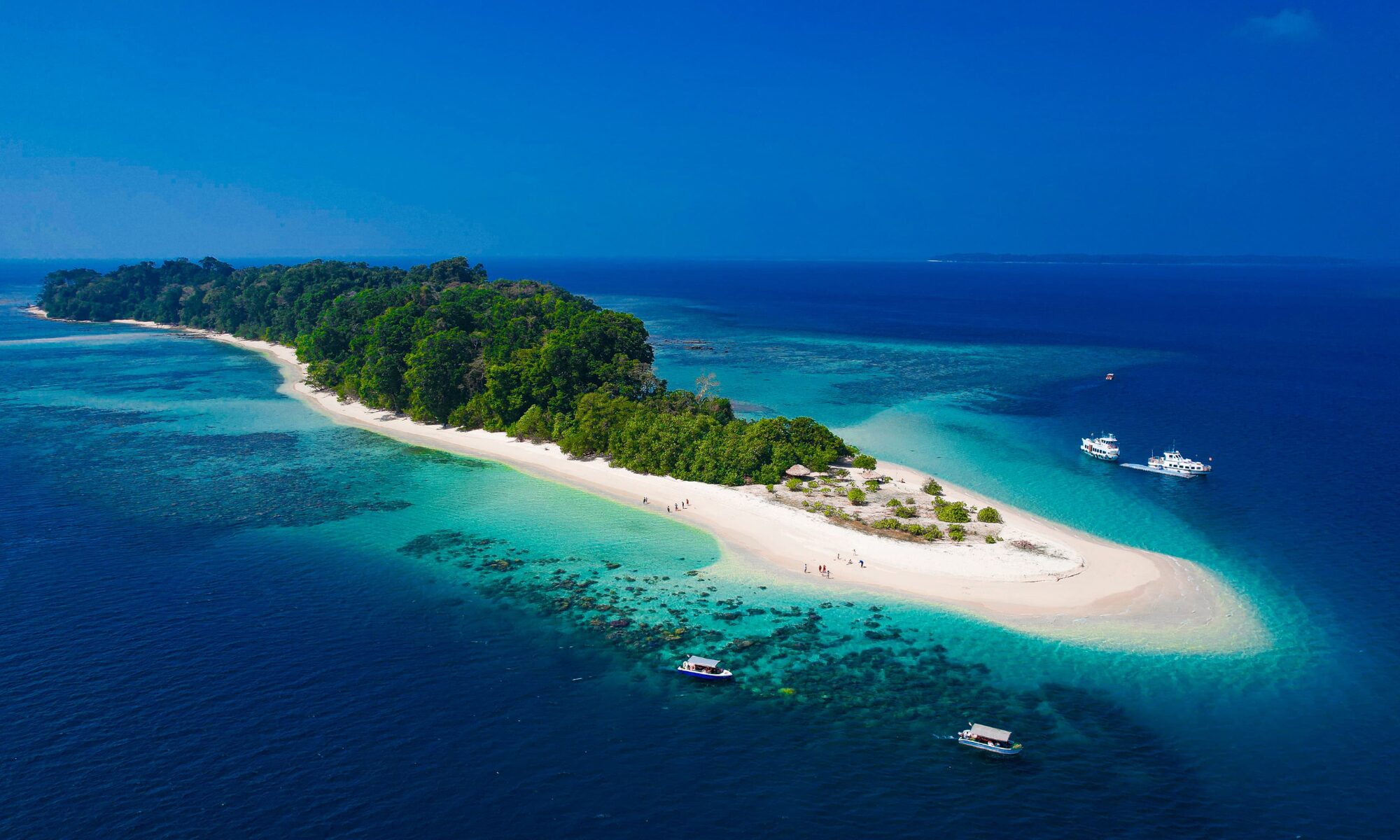
Best Time to Visit Andaman:
Ultimate Month-by-Month Travel Guide
Discover the best time to visit Andaman with our expert guide covering month-by-month weather, diving visibility, hotel prices, ferry status, and crowds.
Best Time to Visit Andaman: Your Month-by-Month Guide
Determining the best time to visit Andaman depends directly on whether your priorities favor calm sea crossings, optimal underwater scuba visibility, rock-bottom hotel rates, or avoiding peak tourist crowds. Located in the Bay of Bengal, the Andaman and Nicobar archipelago experiences a tropical maritime climate characterized by stable year-round temperatures (23°C to 31°C) but dramatic seasonal shifts in precipitation, sea state, and humidity.
The best time to visit Andaman varies significantly depending on what you want from your trip. Whether you're planning a honeymoon, a family holiday, or a scuba diving expedition, understanding the seasonal patterns will help you make the right choice.
This comprehensive guide covers every month of the year, breaking down weather patterns, sea conditions, crowd levels, pricing, and activity availability to help you pinpoint your ideal travel window.
Seasonal Summary Table
This overview synthesizes climate data from the India Meteorological Department alongside local logistical patterns tracked across the island chain.
| Month | Weather Pattern | Crowd Level | Price Pressure | Water Activities & Diving | Ideal Travel Profile | Rating |
|---|---|---|---|---|---|---|
| January | Dry, sunny, gentle breeze | High | Peak | Excellent (15–25m) | Families, Honeymooners | 5/5 |
| February | Warm, very dry, clear | Mod-High | High | Peak (20–30m) | Scuba Divers, Photographers | 5/5 |
| March | Warm, dry, rising humidity | Moderate | Moderate | Excellent | Value Travellers, Divers | 4.5/5 |
| April | Hot, humid, low wind | Low-Moderate | Moderate-Low | Excellent; calmest seas | Budget Divers, Sightseers | 4/5 |
| May | Pre-monsoon showers | Low | Low | Variable; choppy late | Budget Travelers | 2.5/5 |
| June | Heavy monsoon, strong wind | Very Low | Lowest | Restricted | Nature Enthusiasts | 2/5 |
| July | Active monsoon, sustained rain | Very Low | Lowest | Highly restricted | Solitary Travellers | 2/5 |
| August | Moderate to heavy monsoon | Low | Lowest | Spotty; limited ops | Nature Photographers | 2.5/5 |
| September | Monsoon tail, intermittent rain | Low | Low | Gradual recovery | Value Seekers | 3/5 |
| October | Retreating monsoon, transitional | Moderate | Low-Moderate | Improving | Early-season Value | 3.5/5 |
| November | Post-monsoon, pleasant, clear | Mod-High | High | Good; visibility restoring | Honeymooners, Nature | 4.5/5 |
| December | Sunny, breeze, festive surge | Peak | Highest | Excellent | Festive Travellers, Families | 5/5 |
Month-by-Month Breakdown: Determining the Best Time to Visit Andaman
January
🌤️ Best OverallPros: Exceptional weather, low humidity, full operational status for all water sports.
Cons: Premium pricing on hotels and flights; busy public beaches.
February
🏆 Peak DivingPros: Dry conditions, top-tier water visibility, minimal sea swell.
Cons: High demand for boutique stays; requires early trip confirmation.
March
🌤️ Great ValuePros: Great underwater conditions, softening hotel prices, low chance of rain.
Cons: Warmer afternoon temperatures require altered daytime planning.
April
🌊 Calmest SeasPros: Extremely calm waters, reduced resort rates, easy last-minute bookings.
Cons: High heat index during peak afternoon hours.
May
🌧️ TransitionPros: Significant pricing discounts, uncrowded beaches during dry intervals.
Cons: Increasing rainfall, rougher sea transits, unpredictable activity operations.
June
🌧️ MonsoonPros: Deeply discounted resort rates, peaceful atmosphere, vibrant rainforest scenery.
Cons: Frequent rain, restricted water sports, potential transport delays.
July
🌧️ Heavy RainPros: Minimum commercial activity, lowest travel costs, lush island vegetation.
Cons: Heavy rain risk, potential ferry holds, closed water-sport stations.
August
🌧️🌤️ MixedPros: Affordable access to luxury properties, lush scenery, lower rainfall totals.
Cons: Weather changes rapidly; water sports remain partially restricted.
September
🌤️ RecoveryPros: Transition-season pricing, improving weather, low crowd density.
Cons: Lingering rain showers can interrupt full-day outdoor plans.
October
🌤️ ShoulderPros: Pleasant weather, active water sports, reasonable shoulder-season rates.
Cons: Brief tropical depressions can create 1–2 days of localized rain.
November
🌟 Season StartPros: Stable dry weather, calm sea crossings, full range of open attractions.
Cons: Higher accommodation costs; primary beach spots become busy.
December
🎄 Festive PeakPros: Optimal tropical weather, lively year-end holiday atmosphere, peak water clarity.
Cons: Maximum pricing across all services, crowded beaches, competitive booking conditions.
Best Month Depending on Your Travel Goal
| Goal | Recommended Months |
|---|---|
| Honeymoon | November, December, January, February |
| Family Holiday | December, January, February, March |
| Scuba Diving | December, January, February, March, April |
| Snorkeling | November, December, January, February, March, April |
| Beach Relaxing | December, January, February, March |
| Budget Travel | June, July, August, September |
| Luxury Travel | Mid-November, January, February, March |
| Fewer Crowds | May, June, July, August, September |
| Photography | November, December, January, February |
| Adventure & Trekking | December, January, February |
| First-Time Visitor | November, December, January, February, March |
| Repeat Visitor | April, May, September, October |
Peak Season vs. Shoulder Season vs. Monsoon
Accommodation: Hotels near capacity. Book 30–60 days ahead.
Pricing: Standard and peak tariffs apply.
Crowds: High footfall at primary tourist hubs.
Activities: All water sports, dive shops, ferry lines operate at full capacity.
Flexibility: Low. Changes to bookings can be costly.
Weather: Predictable, sunny days with minimal rain.
Accommodation: Good room availability with flexible pricing.
Pricing: 15%–30% below peak winter tariffs.
Crowds: Moderate tourist presence.
Activities: Most water activities accessible.
Flexibility: Moderate. Last-minute changes easier.
Weather: Occasional rain, light sea swells.
Accommodation: High availability across all categories.
Pricing: 30%–50% discounts on rooms and packages.
Crowds: Very low, quiet beach environments.
Activities: Water sports restricted based on safety notices.
Flexibility: High. Hotels easily accommodate changes.
Weather: Sustained rainfall, high winds, choppy seas.
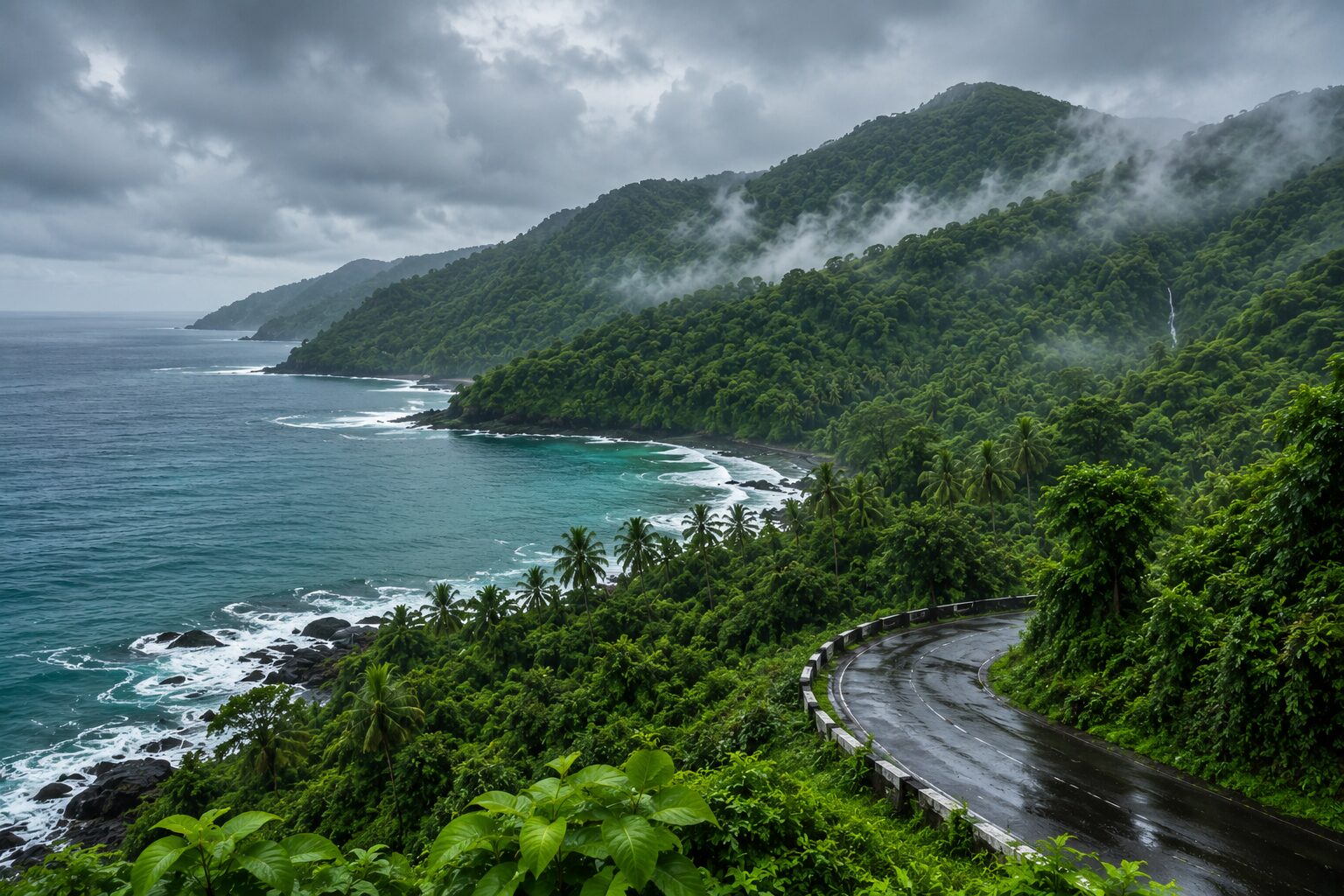
Is Monsoon a Good Time to Visit Andaman?
Visiting the Andaman Islands during the monsoon (June through August) can be a rewarding experience, provided your travel expectations match the realities of tropical seasonal weather.
- Deep resort discounts (30% to 50% off)
- Uncrowded, tranquil beaches
- Lush green tropical rain foliage
- High availability across luxury stays
- Choppy seas & wave-generated ocean swell
- Water activities & diving restricted
- Risk of ferry delays & holds
- Unpredictable daily rain squalls
Head-to-Head Seasonal Comparisons
December vs. January vs. February
| Feature | December | January | February |
|---|---|---|---|
| Weather | Warm, bright, dry | Dry, gentle breeze | Dry, clear, minimal wind |
| Sea State | Calm | Very calm | Flat, glassy surface |
| Underwater Clarity | 15–20 meters | 15–25 meters | 20–30 meters (Peak) |
| Crowds | Highest (Peak) | High | Moderate-High |
| Price Pressure | Maximum Surcharges | Standard Peak Rates | Standard Peak Rates |
March vs. April vs. May
| Feature | March | April | May |
|---|---|---|---|
| Temperature | 31°C (Warm) | 33°C (Hot) | 31°C (Humid) |
| Water Conditions | Very Calm | Extremely Flat | Rougher toward late May |
| Price Tier | Moderate | Moderate-Low | Low (Off-Peak Rates) |
| Crowd Index | Moderate | Low-Moderate | Low |
| Rain Likelihood | Very Low | Low | High (Monsoon Onset) |
Best Time to Visit Havelock, Neil, and North Andaman
| Island / Region | Top Months | Seasonal Nuance |
|---|---|---|
| Havelock Island | Nov to April | Peak water activity setup; full ferries |
| Neil Island | Nov to April | Shallow reef flat access at low tides |
| Baratang Island | Dec to March | Dry dirt track routes; safe cave walks |
| Long Island | Dec to March | Open-sea fiber boat access to Lalaji |
| Diglipur (North) | Dec to March | Ross & Smith sandbar crossing accessible |
How Budget Dictates Your Optimal Timing
Your travel budget plays a central role in choosing the best time to visit Andaman. Because room rates, flight costs, and package prices fluctuate seasonally, timing your visit around budget tiers can significantly impact overall costs.
| Season | Flight Rates | Hotel Pricing | Overall Value Rating |
|---|---|---|---|
| Festive Peak | Highest | Premium (+50-100%) | High Cost / Top Weather |
| Standard Peak | Moderate-High | Standard Rack Rate | High Performance |
| Shoulder Season | Moderate | 15% – 30% Discount | Excellent Value |
| Monsoon Off-Peak | Lowest (Promotional) | 30% – 50% Discount | Maximum Savings |
Best Time to Book an Andaman Trip
Securing your preferred travel window requires understanding booking lead times across flights, hotels, and ferry operators.
| Target Window | High-Speed Ferries | Hotels & Resorts |
|---|---|---|
| Dec 20 – Jan 5 | 45–60 days in advance | 90–120 days in advance |
| Nov – March | 30–45 days in advance | 45–60 days in advance |
| April – May | 15–20 days in advance | 20–30 days in advance |
| June – Sept | 5–7 days in advance | 7–10 days in advance |
Should You Change Your Travel Dates? Decision Framework
If you are unsure whether your planned dates fit your travel goals, use this simple decision matrix to finalize your timing:
"There is no single 'best month' that suits every traveler. The ideal time for your trip depends on what matters most to you—whether that means guaranteed clear weather for diving, budget-friendly rates at top resorts, or quiet beaches with fewer crowds."
Best weather, full operations, highest prices
20–30m visibility, calm seas, ideal conditions
30–50% discounts, lush greenery, quiet beaches
Gala dinners, beach events, peak energy
📚 Useful Resources for Planning Your Trip
🎄 Detailed Guide to Visiting Andaman in December 💰 Realistic Andaman Trip Cost Breakdown 📅 How Many Days Do You Need in Andaman? 💑 Comprehensive Andaman Honeymoon Guide 👨👩👧👦 Tailored Andaman Family Guide ⛴️ Inter-Island Ferry Guide 🏛️ Directorate of Tourism, Andaman & Nicobar AdministrationPlan Your Travel Around Your Priorities
For updated weather guidance, real-time ferry schedules, and custom itineraries tailored to your dates, consult the local team at Gallivanting Tours—your Port Blair-based destination management team.
Chat with a Local Specialist on WhatsAppFrequently Asked
Questions
The best overall period to visit Andaman is from mid-November to March. During these months, the weather is dry, sunny, and pleasant, with clear waters that offer optimal conditions for island hopping, water sports, and beach trips.
Yes, you can visit Andaman during the monsoon season (June to August). While open-sea water sports and dive centers may operate on limited schedules due to rough seas, luxury resorts offer discounts of 30% to 50%, and the islands feature lush foliage with fewer tourist crowds.
February and March are widely considered the best months for scuba diving in the Andaman Islands. During this period, sea surface conditions are exceptionally flat, plankton blooms clear, and underwater visibility reaches up to 20 to 30 meters.
April is warm and humid, with daytime highs reaching around 32°C to 33°C. However, it also brings some of the calmest, clearest sea conditions of the year, making it an excellent month for water sports, deep-sea diving, and shoulder-season savings if you plan around mid-day heat.
The cheapest months to visit Andaman are June, July, and August. Accommodation prices drop significantly, tours run promotional rates, and airfares are generally lower compared to the peak winter season.
Main line ferries between Port Blair, Havelock, and Neil run year-round. However, during periods of heavy wind or storm advisories in the monsoon season (May to August), daily sailings may be rescheduled or delayed based on maritime safety directives.
For travel between December 20 and January 5, it is best to book your flights, hotels, and ferry tickets 60 to 90 days in advance to secure your preferred options and avoid peak room rate adjustments.
No, monsoon weather in Andaman usually features passing rain squalls followed by overcast or sunny breaks, rather than non-stop rainfall for weeks at a time.
Plan your visit at the perfect time.
Matching your travel dates to your specific goals helps ensure a smooth, enjoyable trip across the islands. Let Gallivanting Tours help you plan the perfect timing.